The First E · A Guided Journey
Exposure: the world in a glass.
Your sommelier guide walks you through the vineyards we partner with — from Australia to California to Africa — and the wines the world's finest sommeliers seek out.
Stand in any wine aisle and you are looking at perhaps two hundred bottles. Stand in the world of wine and you are looking at hundreds of thousands — grown on six continents, in soils of slate and clay and crushed seashell, by families who have tended the same rows for three centuries and by newcomers who planted their first vines a decade ago. The aisle is not the world. Exposure is the difference between the two.
My promise to you is simple: I will put in your glass the wines that make sommeliers lean in — the bottles we pour for one another after service, when the guests have gone home. Not the loudest labels. The ones with something to say.
Australia — sunlight, patience, and old vines
Australia holds a secret hiding in plain sight: some of the oldest continuously producing vineyards on earth. While Europe replanted after phylloxera, the Barossa's gnarled Shiraz vines kept growing — some for more than 150 years — and old vines speak quietly and deeply, trading power for persistence. Taste a Barossa Shiraz beside a cool-climate Yarra Valley Pinot Noir and you will understand in two sips why one country cannot be summed up in one word.
Then go west. Margaret River, a slender ribbon of land between two oceans, makes Chardonnay and Cabernet that routinely humble bottles at three times the price. Sommeliers know this. Soon, so will you.
California — ambition refined into elegance
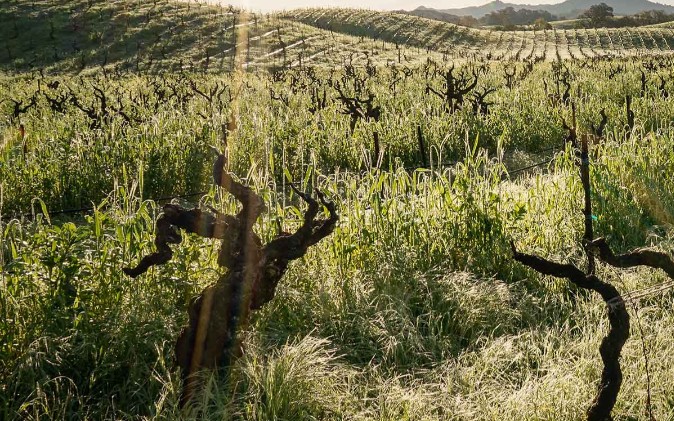
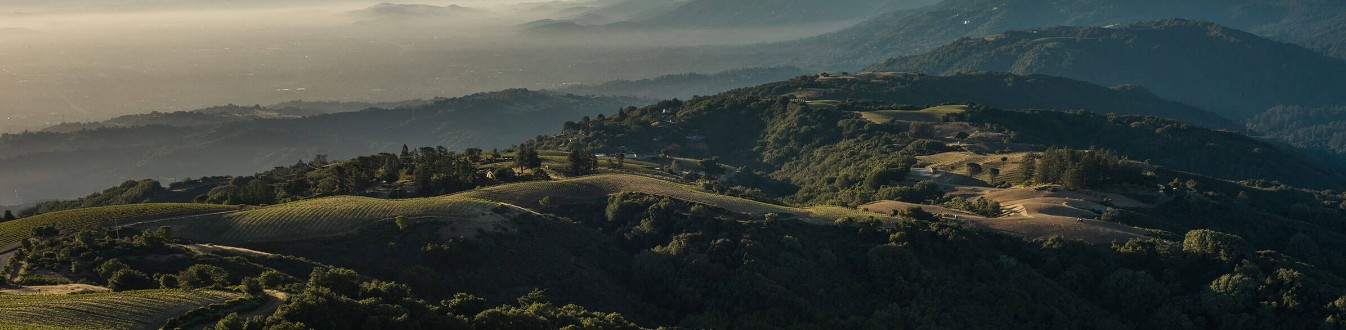
California is where the New World learned to stop imitating and start speaking in its own voice. Napa's cabernets carry the warmth of the valley floor in their arms; Sonoma's coastal Pinot and Chardonnay carry the fog in their bones. The magic is in the meeting — ripeness that only reliable sun can give, held in check by cold Pacific air that slips through every gap in the coastal range.
What I want you to taste in California is precision: the difference a single hillside makes, why a wine grown on volcanic ash tastes nothing like its neighbor grown on river gravel a mile away. This is terroir made legible — the clearest classroom in the wine world, and the reason so many sommeliers fell in love here first.
Africa — the oldest soils, the newest voices
Here is a fact that stops people mid-sip: the granite and sandstone under South Africa's Cape winelands are among the oldest viticultural soils on the planet — hundreds of millions of years older than the soils of Burgundy. Vines struggle beautifully in them. Chenin Blanc, the Cape's great gift, turns that struggle into wines of nervy brightness and honeyed depth, and the old-vine parcels of the Swartland have become a pilgrimage for the sommeliers who chase what is next.
Stellenbosch cabernets, Hemel-en-Aarde Pinot Noir, sparkling wines made with Champagne's own patience — Africa is not arriving. It has arrived, and the finest wine lists in London and New York already know it. Ours is the pleasure of pouring it for you first.
Within your reach
"Sought after" does not have to mean out of reach. It means chosen — by people who taste for a living and answer for every bottle they recommend. Through our partner vineyards, we bring those choices to your table: wines with a story, a place, and a reason to be in your glass. All you need to bring is curiosity.